Outdoor Solar Solutions for OEM Products
Custom solar panels and portable chargers designed around where your product works: on the trail, at a campsite, on a curved surface, or inside an outdoor device. Explore the right format, then develop the electrical and mechanical details for your application.
- Portable charging
- Flexible integration
- Small custom modules

Outdoor Solar Panels and Chargers by Product Use
The best format depends on how the panel is carried, mounted, connected, and exposed to the weather. These product families are starting points for an OEM design, with specifications confirmed against your device and use conditions.

Hiking Solar Chargers
Foldable chargers for equipment carried on the trail, where pack size, handling, and charging compatibility matter.
Explore hiking chargers →
Camping Solar Panels
Portable solar formats for campsite setups and mobile power systems, designed around available space and the charging interface.
Explore camping panels →
Semi-Flexible Solar Panels
Low-profile panels for applications with suitable curves or weight constraints. Bend radius and mounting details need review.
Explore semi-flexible panels →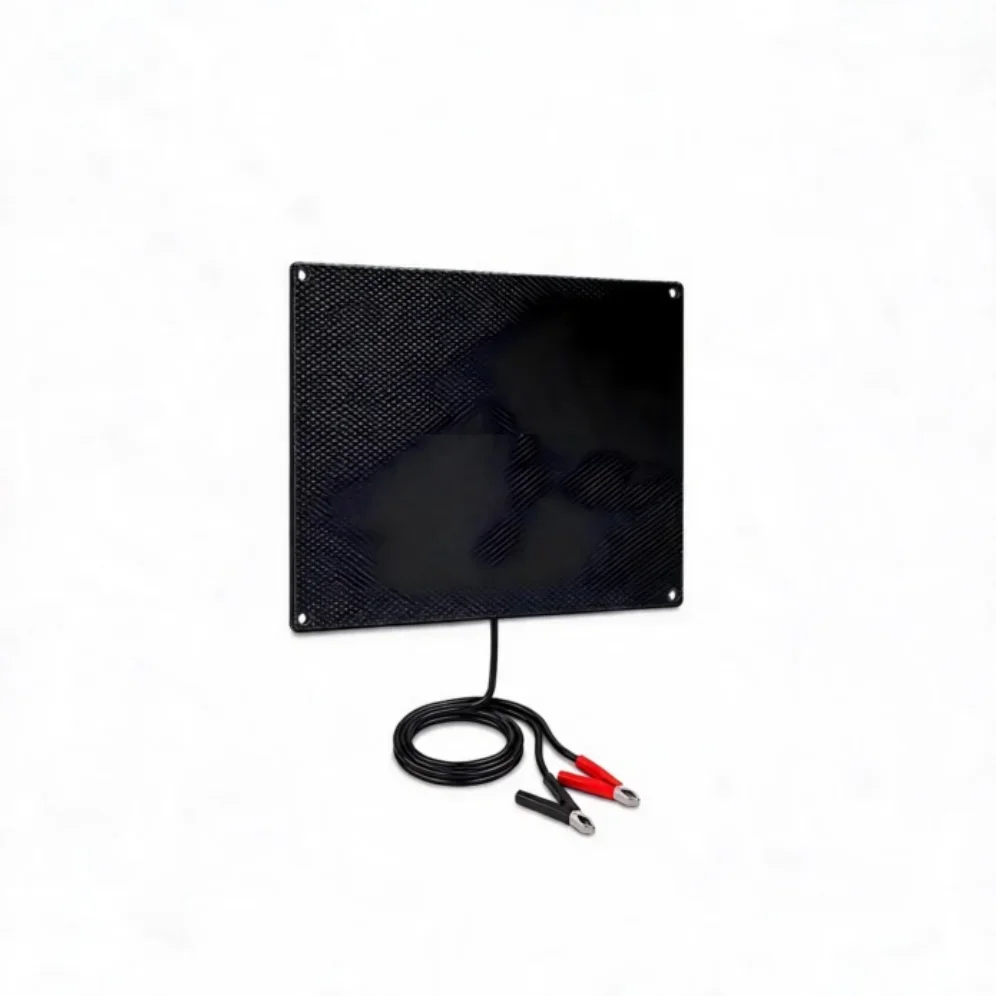
Solar Battery Chargers & Maintainers
Solar input for batteries in vehicles and outdoor equipment. Controller choice and charging behavior depend on battery chemistry.
Explore battery maintainers →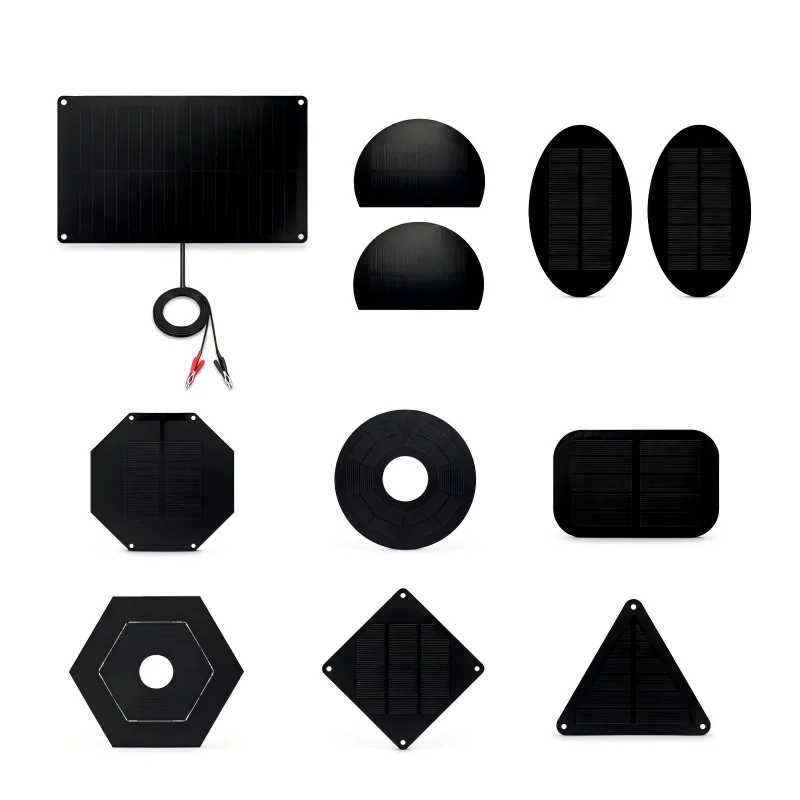
Small Custom Solar Panels
Compact modules developed around enclosure area, output needs, material stack, connectors, and mounting constraints.
Explore small custom panels →Need a Custom Outdoor Configuration?
Share your available area, load profile, mechanical drawing, and intended environment. We can identify a practical solar starting point before detailing the design.
Discuss a custom project →Match the Solar Format to the Working Environment
Outdoor products face different constraints. A portable charger, a mounted panel, and an integrated IoT module should not be specified from wattage alone.
Portable and field equipment
Prioritize folded size, carry weight, setup time, and a realistic charging interface for equipment used away from fixed power.
RV, marine, and mounted systems
Check usable surface geometry, mounting, cable routing, weather exposure, and whether a semi-flexible construction is suitable.
Connected outdoor devices
Start with the device energy budget and expected sunlight, then size the module and storage system around actual operating cycles.
See more end uses on our solar applications page, including asset tracking, security cameras, and outdoor monitoring.
What We Need to Design the Right Outdoor Solar System
A useful OEM discussion begins with your device and its power path. The inputs below help narrow the panel construction before anyone commits to a nominal wattage.
For a deeper view of the process, read how custom solar panel development works.
- Energy and storageDaily load, peak current, battery chemistry, charge control, and target autonomy.
- Available areaEnvelope drawing, active area, thickness and weight limits, fold or bend requirements.
- Exposure and handlingExpected sunlight, shade, mounting position, weather, abrasion, and service conditions.
- Integration and volumeConnector and cable details, sample quantity, production volume, and required verification.
One Development Path, Shaped Around Your Product
We use the application requirements to move from a practical configuration toward a testable sample and a production-ready specification.
Define the requirement
Review the energy budget, available space, environmental conditions, and device interface.
Build and validate a sample
Confirm mechanical fit and electrical behavior under the intended operating conditions.
Prepare for OEM production
Align the agreed design, materials, testing approach, and production documentation.
Outdoor Solar Solutions FAQ
Can you customize the panel size and shape?
Yes. The feasible dimensions and geometry depend on the available cell layout, required output, construction, and enclosure constraints. Share a drawing or usable area to start the review.
Is a semi-flexible panel right for every curved surface?
No. Suitability depends on the panel construction, bend radius, installation method, and expected movement. We recommend checking these conditions before selecting a format.
What information is useful for an OEM inquiry?
The device load and battery, target output, available panel area, operating environment, connector requirements, and expected quantities provide a strong starting point.
How do I compare portable and integrated solar options?
Start with how the energy is used. Portable chargers emphasize handling and external charging; integrated modules are designed around the product envelope and its daily energy balance.
Build an Outdoor Solar Solution Around Your Product
Tell us what the device does, where it operates, and the space available for solar. We can discuss the right product family and the details that need custom engineering.
You can start with a concept or drawing; final specifications are confirmed during engineering review.